WARNING: Long Post Alert!
After I began this blog, it slowly dawned on me that I wasn’t alone. There were other like-minded bloggers out there, dozens maybe. Which led me to a site called Literate Lives, hosted by a classroom teacher and a school librarian, Karen Terlecky and Bill Prosser. Karen wrote what I considered a kind, insightful review of Along Came Spider. So naturally I fell in love.
Looking around the web today, I’m continually awed by the dedicated literature-lovers out there. All those people who night after night devour the written word. The real readers who, like Bill and Karen, find no greater pleasure than to bring a child and a good book together.
As for the below, please be advised: I will now be attempting the perilous two-headed interview . . .
Okay, Bill and Karen, life wasn’t busy enough. So you started a blog. What on earth were you thinking?
Bill: When I became a librarian last year after twenty-four years of classroom teaching, I knew I wanted to try blogging about books. Around that same time, Karen casually mentioned that she was interested in starting a blog. She wondered if I wanted to team up. It was a no-brainer. I got to accomplish a goal, work with a great teacher, and cut my workload in half. Now almost a year later, we are being interviewed by James Preller.
Well, Mitzy Kafka couldn’t make it. She’s at a health spa outside of East Orange, New Jersey. And if you want to read that as “rehab,” that’s entirely up to you.
Karen: I am so glad Bill remembers the exact train of events, because my over-fifty brain has blanked out on the specifics. What I do remember was Franki and Mary Lee from A Year of Reading gently prompting me to do this. Then, another friend, Katie, started Creative Literacy. I was very motivated by her success. I’ve loved every minute of it, and I so appreciate that I share the blog with Bill.
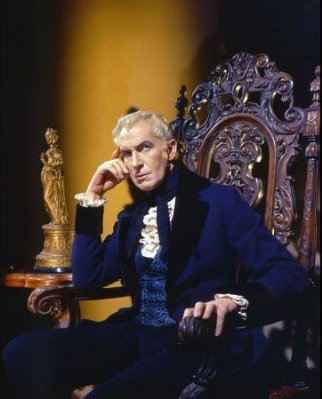
I know when I started this blog in early May, I felt a little like Vincent Price in “The House of Usher.” I was filled with an overwhelming sense of talking to myself in an empty room.

Bill: Sometimes I still wonder why anyone cares about what I have to say. But then I’d get the one comment from an author, or parent, or friend — and I was hooked!
Karen: We were fortunate that Mary Lee and Franki decided to “launch” us at their blog. That brought some visitors to see us that we might not have otherwise had. I have to admit that once we added SiteMeter to our blog, it became an addiction for me.
Oh, I hear that. I need a daily shot of Google Analytics in my coffee.

Karen: I know people stop by, but I wish that more people would leave comments. That would make it feel more personal for me, and less like me by myself. I love the back and forth of a conversation –- sort of like this interview!
It’s all done with mirrors, Karen. I’m a lot like David Blaine that way. For me, the real revelation has been how the kidlitosphere began to open up — all sorts of different blogs, by people who cared passionately about the same things, from booksellers to editors, librarians and teachers and authors. People like Roger Sutton, Jen Robinson, Matthew Cordell, Dennis Cass, Nan Hoekstra, and on and on. I’ve found it really inspiring.
Karen: I am amazed at the connections I’ve made. Last year, shortly after Bill and I started our blog, we presented at a literacy conference here in Dublin. We met one of the bloggers whose posts I followed on a regular basis –- way fun! In addition to our group of Central Ohio Bloggers (fabulous people!), I have also had an opportunity to chat online with authors who have stopped by our blog, and even two publishers. This concept of internet connectedness is pretty amazing!
What have you learned along the way?
BIll: It’s helped me be better at finding and recommending good books to my students.
How so?
Bill: Blogs help me stay ahead of the curve. A lot of the bloggers are getting advanced copies, so I know what’s coming out, before it comes out. Even with things that are released, blogs are quicker than waiting for the monthly journals that review books. In most cases I’ve already heard of or read many of the books being reviewed because I got a heads up from somebody’s blog.
What about you, Karen?
Karen: I’ve learned a lot about myself as a writer. I’m so jealous of my blogger friends who can read a book and dash off a post. I’m very critical of my own writing, and revise multiple times. It takes me at least an hour per post before I hit that “publish” button.
I saw Ariana Huffington on The Daily Show the other day –- I was panting along on the elliptical at the YMCA –- and she emphasized, “First thought, best thought.”

Huffington really believes in that “first draft of history” concept. But with a book review, there are definite responsibilities.
Karen: I think you’re right –- I wish I could get on board with Ariana’s thinking. I’m just always considering my audience. For better or worse, what I put in my blog posts is how most of the reading audience (students, parents, fellow bloggers, authors, publishers) know me as a person. I guess with that thought comes some responsibilities.
Like Uncle Ben’s line from the first Spider-Man movie, right? With great blogging powers comes great responsibility.
Karen: Bingo.

Anyway, Bill, you revealed in your first blog post that you set a goal, ten years ago, to read every Newbery winner.
Bill: I try to read the winner before it’s announced, so I can feel really smart and informed. So far I’m batting zero on that. I’ve managed to hit a few of the Honor Books.
After all those years of teaching, Bill, you decided to become a librarian. Was that a mid-life crisis? Shouldn’t you have just bought a fancy red sports car?

Bill: I hadn’t thought of the sports car. I’m still driving a minivan, zero to sixty in twenty minutes.
My wife complains that our minivan sucked the last ounce of coolness right out of her. I tell her that it isn’t true; she still has a few ounces left.

Bill: Thanks for that, now I’ll never be able to convince my teenage children that minivans are cool. When I got my Masters about 20 years ago, I looked into getting the library certificate. But at that point in my life, it was too big of a time commitment. I’ve always loved the library from when I was a kid, so it seemed a natural fit. The sports car may have been more fun, but I doubt it.
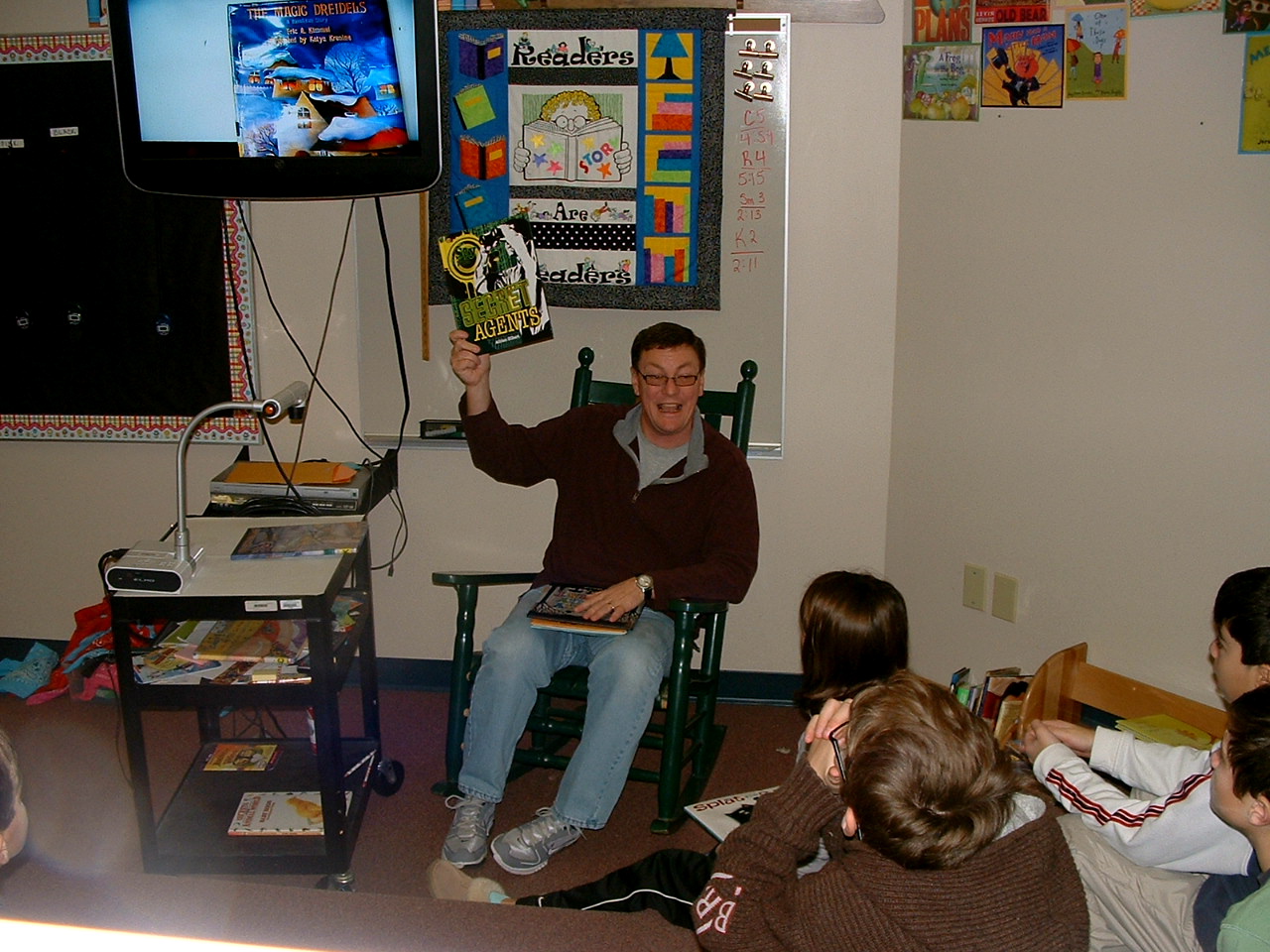
Reminds me of a favorite poem by Arnold Lobel from Whiskers & Rhymes:
Books to the ceiling, books to the sky,
My piles of books are a mile high.
How I love them!
How I need them!
I’ll have a long beard by the time I read them.
Karen, you are a fifth-grade teacher and . . . a part-time proctologist? Do I have that right?
Karen: I’m fairly certain they’re not paying me enough if I am a part-time proctologist! The idea of that makes me laugh –- it gives a whole new twist to my beginning of the year assessments!
That’s right, I heard you can be a real pain in the assessment.
Karen: LOL! My high school daughter got quite a kick out of that last statement! Back on topic — this year, I am a full-time fifth grade teacher. This is after two years of splitting myself between jobs, teaching language arts and social studies half days, and then giving curricular support to other teachers in those two areas as well. I love the all-day community in my classroom this year. I have a fabulous class, and enjoy each moment with them.
Karen, let’s just ignore Bill for a while . . .
Bill: Hey!
. . . I was taken by how you described, in your first-ever post, your “great reading life.” It feels like this blog is an outpouring of that life, that love.
Karen: I have loved reading my entire life. I can remember being the first in line on the days the bookmobile came to our neighborhood. I had very understanding parents who allowed me to collect all the books in the Nancy Drew, Cherry Ames, and the Bobbsey Twins series.

I used to be in book clubs with my friends way before it was a trendy thing to do. Being able to share this love of reading and books with my students on a daily basis is a gift for me. Together, we really create a community of readers. The blog is just an extension of my own reading life and my love for books.
I’m staggered by readers of your knowledge and commitment. In that, I think being a writer pretty much prevents me from becoming a great reader –- in the sense of a broad reader, expansive and up-to-date.
Bill: I think our profession sort of demands it so we can keep up to date for our kids. In your profession it might get distracting to your writing? What do you think?
That’s it, exactly. In fact, I shouldn’t even be here right now.
Karen: I feel like it comes in cycles for me. My avid reading times are in the summer, at the beach, and at any holiday break. I am in a “down” time right now, but I am eagerly awaiting our holiday break in two weeks! A few things help me stay up-to-date with current books: Bill introduced me to the awesomeness of the “new book” section at our public library, I have friends who are willing to share their Advanced Reader Copies, and we have a fabulous independent children’s bookstore here in Columbus called, Cover to Cover. The owner, Sally, is gracious about sharing the best of the new books in the store.
Well, we’re all in it together, right? Isn’t that the subtext of this discussion?
Karen: Absolutely! When the small group of Central Ohio bloggers gets together, we never seem to run out of things to talk about. And central to all our conversations are books –- we love being able to refer books to each other, and talk about mutual books we love.
And then I look at how we’ve connected with you over such a short amount of time, just because I happened to review Along Came Spider –- it’s back to being connected to one another’s lives through books.
I get a kick out of how you guys flip out over books you love. What’s the big deal?
Bill: There is nothing better than connecting with a kid over a great book.
Karen: When I read a book I thoroughly enjoy, I want to share that with others. I agree with what Bill said about the connections you make with kids. The students who come to school and tells me they read a post about a book and had to get a copy so they could read it themselves –- that’s the big deal about books for me.
Let’s talk about the Newbery Award. In reading them all, Bill, did you come across any stinkers?

Bill: Definitely. School Library Journal just did an article on this last month, “Has the Newbery Lost Its Way?” written by Anita Silvey. It was well done and so true. I tend to like the Honor Books better than the actual Medal Winners. Somewhere along the way the voters forgot that these were books for kids, not adults who read books for kids.
I spoke with an editor recently who felt that it hurt the entire industry when they name a book that isn’t kid-friendly. Not that it should be a popularity contest, but that child-appeal should be an important factor. Or do you believe that the committee should rise above any commercial thought of “promoting the industry?” I guess the question is, are some of these committees out of touch with what kids are willing to read?
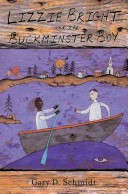
Bill: I don’t think the Newbery committee has the responsibility to sell books, or that it is a popularity contest, but they do have the responsibility to pick books that kids will read and enjoy. Otherwise why say the award is for fiction geared for ten to fourteen year olds? If the books they pick aren’t written for those ages — what’s the point? And yes, I think some of the committees are out of touch. That said, there are examples recently, especially in the Honor selections of books that might not have made much of a splash without the award. Once they had medals attached, teachers read them and then put them into the kids’ hands. A couple that come to mind are Al Capone Does My Shirts and Lizzie Bright and the Buckminster Boy.
So what book is going to win the Newbery this year?
Bill: I like Waiting for Normal by Leslie Connor; Diamond Willow by Helen Frost, and my dark horse is Itch: A Novel by Michele D. Kwasney. However, The Underneath will probably win and I don’t really like it much.
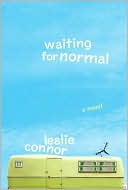
Karen: I’ll be rooting for Waiting for Normal.
Wow, good for Leslie Connor. She grew up not far from here, outside of Schenectady. Arnold Lobel grew up in Schenectady, too. Must be something in the water. Okay, lightning round. Favorite books?
Karen: All-time favorite, Little Women. Adult favorite –- I’m a Jodi Picoult junkie!
Bill: Hattie Big Sky; Johnny Tremain; Make Way for Ducklings; Twelve Terrible Things . . . I could go on and on.
Favorite blogs?
Karen and Bill (talking really fast, together): A Year of Reading! Jen Robinson! 100 Scope Notes! The Miss Rumphius Effect! The Reading Zone! Two Writing Teachers! Creative Literacy! Barbara O’Connor! And, of course, your blog!
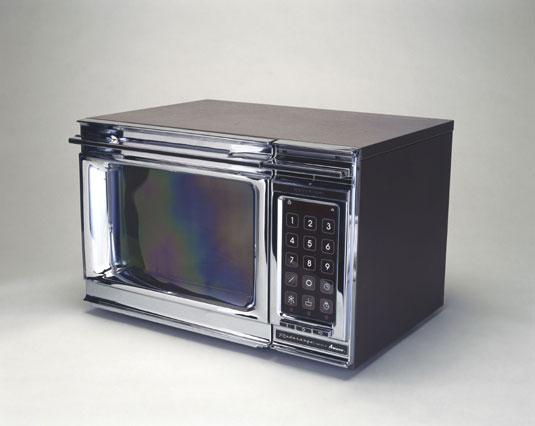
You had to say that or I’d never let you out of here. Anyway, Karen and Bill, thanks for the interview. And thank you, most of all, for the very real contribution you make to children’s literature. Please accept this 1978 Amana Radarange Touchmatic microwave oven as a parting gift.