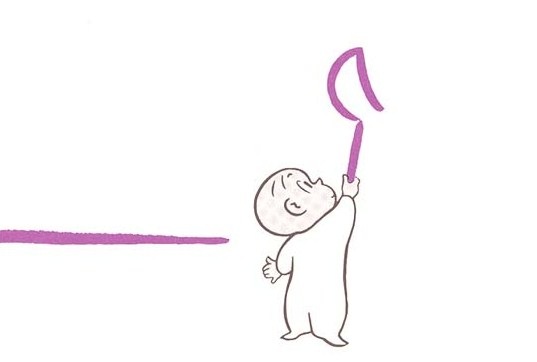
As an author, mine was not the story of the wide-eyed boy who loved weekly trips to the library, the happy ritual of laden arms lugging home precious treasures. No, we didn’t do that stuff in my family. For starters, my mother didn’t drive. Besides I was a do-er, not a sit-around-and-read-er. So I came late to children’s books. The first time I read Where the Wild Things Are or Harold and the Purple Crayon, for example, was as a 24-year-old junior copywriter, living in Brooklyn in a railroad apartment, and working on the Scholastic Book Clubs. That’s when I first appreciated children’s literature, if you’ll pardon the expression.

I realized that there was more here than met the eye, that a children’s book, in the hands of a true artist, could be as psychologically deep and powerful as any other work of art. It changed my whole way of thinking about children’s books — and about what they (and I) could aspire to become.
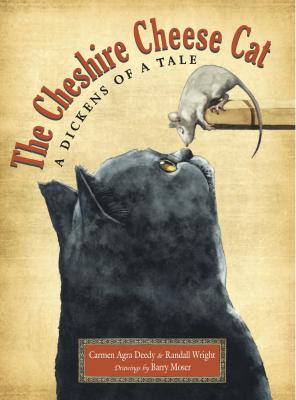
I was reminded of that dawning while I read Carmen Deedy’s new book, co-authored with Randall Wright, The Cheshire Cheese Cat — a clever romp, certainly, a delightful fast-paced read, yes, a charming tweak on historical fiction, surely, but also . . . more. This is simply a lovely, near-perfectly rendered work, with surprising depth at its core, marvelously illustrated by the great Barry Moser. After reading it, I asked my friend Carmen if she wouldn’t mind answering a few questions. And look, here she comes now.
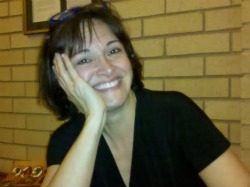
I take it the Ye Olde Cheshire Cheese pub is an actual place on Fleet Street, in London, and you’ve been there. Was that for research, or did the idea for the book originate from that visit?
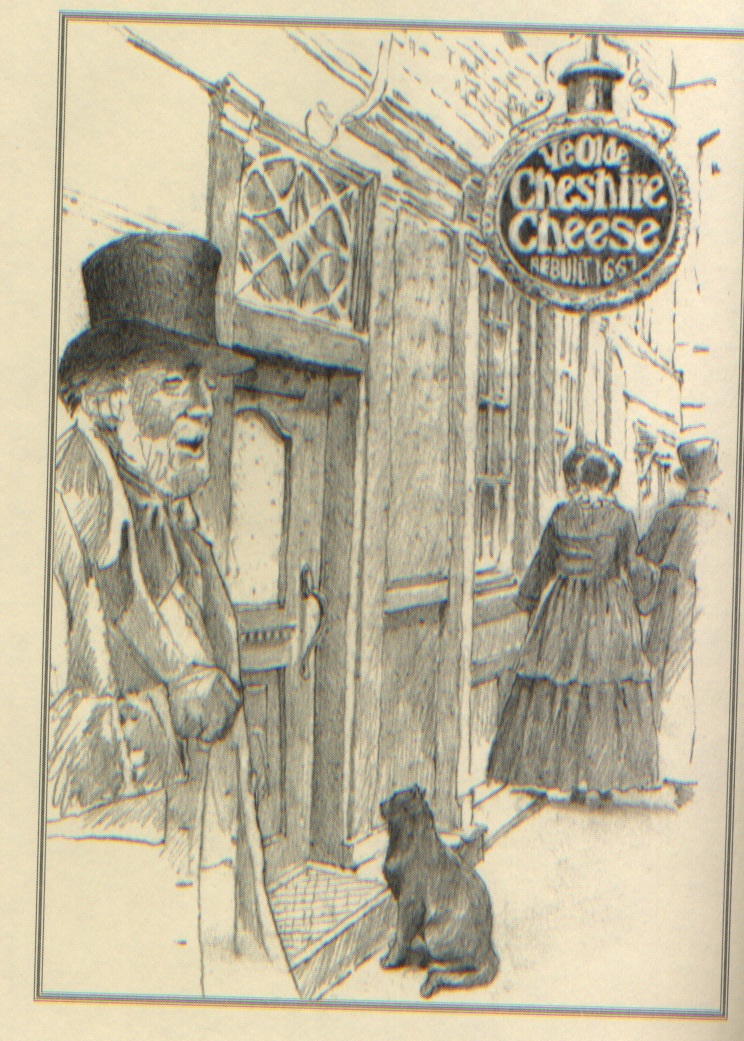
The blame lies squarely on the shoulders of the organizers of a lovely Welsh event, the Beyond the Border Storytelling Festival. In 2002, I was invited to tell stories on the grounds of a 13th Century castle. No lie. As if that were not fanciful enough, on our first night in London we stumbled (by purest happenstance) upon this gem:

My three daughters were with me that night and everyone began to talk at once. Rebuilt in 1667? Hadn’t the Great Fire of London taken place in 1666? That meant this inn had been rebuilt a mere sixty-three years after the death of Queen Elizabeth! Once inside, we discovered a place as enchanting, anachronistic, and mysterious, as we could have wished for. As we stood in the small entryway and looked around, one of the girls leaned toward me and whispered, “Best Harry Potter set, EVER . . .“
I’ll say. A more thorough investigation of the premises turned up this:

(Think of it as the British equivalent of “George Washington Slept Here.”)
The idea for the story came from a game of “What If?” What if . . . every mouse in London with means had come to the inn, in search of the best cheese in the realm? And what if . . . the cats were there for mice? But, what if . . . ONE of those cats hated eating mice. Rather, he secretly loved, um, cheese?

It struck me that here is a book that delights in language. You were inspired, in part, by words themselves. And you didn’t hold back.
We second-guessed ourselves more than once. Still, my fellow writer (Randall Wright) and I had decided from the onset that we wanted to tell the story in language that was reminiscent of books we had loved as children. If those stories engaged us, we would faithfully slog through unfamiliar words and odd phrases. And if we had prevailed, we reasoned, why shouldn’t today’s children be able to do the same? We decided to trust our young readers.
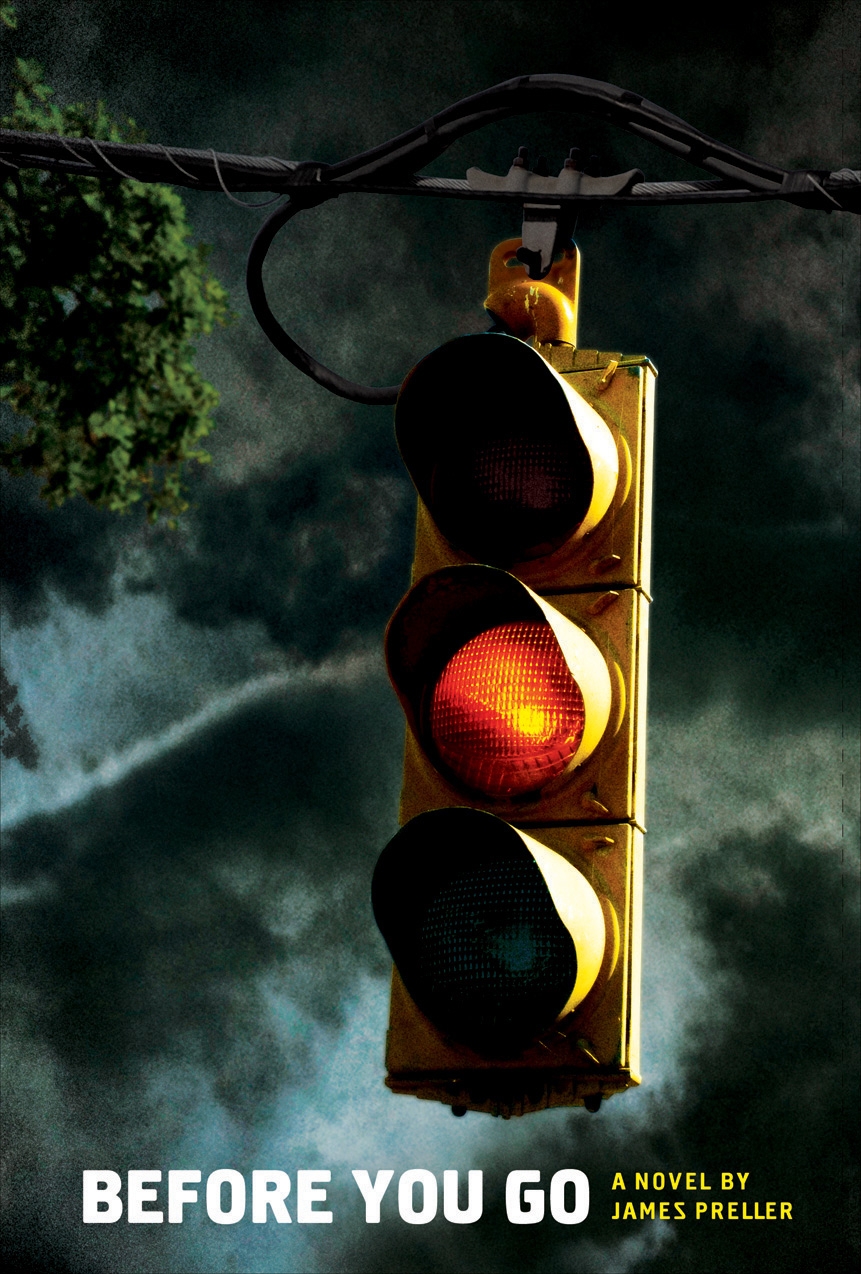
Oh, that’s interesting. I was just expressing a similar thought to my editor, Liz Szabla, about my upcoming young adult novel, Before You Go. It’s a story that takes some time to introduce characters, explore setting, set wheels in motion. It’s not plot, plot, plot every step of the way. On bad days, I worry about that: Does the book start too slow? Are those first 50 pages not dramatic enough? And ultimately I came to the same conclusion as you did, that I have to trust in my readers. That is, that they actually like to read.
I can’t wait to read Before You Go! Sounds wonderfully beguiling. When do I get that Advanced Reader’s Copy? Nudge, nudge.
Hold that thought. The book’s not out until July, and the ARC seems far away. I can’t wait for it, I’m super proud of it, but . . . we’re not here to discuss me. I’m sorry I brought the whole thing up. You were saying?

Once we decided to use words we loved, we dove into the text with semantic abandon. It was so liberating that, frankly, we went a little nuts. Before the Great Vocabulary Purging we had over six hundred higher level words—words that were not anywhere near the suggested lexile for middle grade readers. Worse yet, they had begun to interfere with the story. That was the deal breaker. We ultimately replaced, removed, or contextually defined over 500 words. Nonetheless, with a nod from our brilliant and long-suffering editor, we still managed to subtly retain many words of which we were particularly fond –– roughly seventy. We then added a glossary as part of the back matter . . . and decided, once again, to trust the young whippersnappers.

That’s the writing process, isn’t it? Get it all down on paper. You can always pull back in later revisions.
Absolutely. My first drafts are pitiful in the extreme. It takes me four or five rewrites to stop cringing as I edit. And I swear, every few years I seem to end up sharing a table with an author who will drolly insist, “I just sit down and write without much revision at all.” Where do these people come from? I think they grow them under florescent lights in some green house in Nova Scotia.
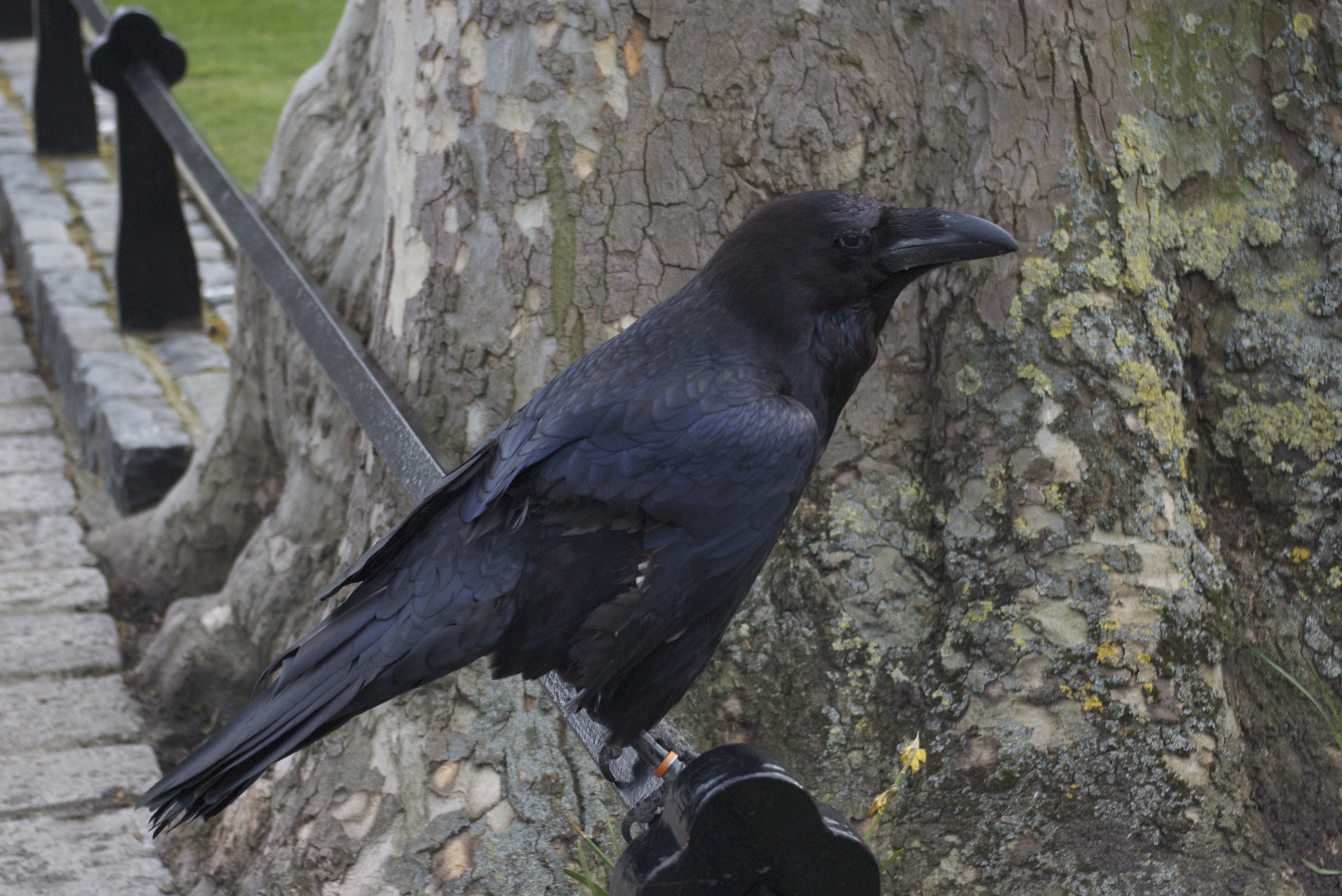
In a crucial moment, the feline protagonist, Skilley, is advised by Maldwyn the Raven, “You want the truth, Master Skilley? Then find out just what manner of cat you really are . . . and brazenly, unabashedly, boldly, be that cat.” Of course, that’s the toughest task of all, isn’t it? Be yourself. Especially for a middle grader, looking at everybody else for social cues, who to talk to, what to listen to, what movies to like, how to dress, who to sit with, and so forth. Tough on cats, too.
Tough on Skilley, that’s for certain. But the careful reader may find that Skilley’s greatest challenge is not, in fact, protecting the mice, neither is it out-witting Pinch, or even returning Maldwyn to the Tower –– but rather becoming, well . . . Skilley.
“Outing” himself as a lover of cheese, as it were.
Here I am, world, my true self. Emerson had some thoughts on this topic . . .

Because the storyline is meant to appeal to a “chapter book” crowd, we tried to tackle difficult subjects by couching them in language that softened their gravity; friendlessness, abuse, betrayal, death . . . okay, and we spared Too.
I have to admit this here. Too was not meant to live. I mean, the mouse was DEAD until the near final draft. Great pressure was brought to bear, however; the Save Too lobbyists were small, but thunderous in their disapproval of her death. We caved. Since the book was released, I’ve had a couple of elementary readers tell me it was a good thing Too didn’t die or they would’ve been reeeeeeeeally mad. Phew.
I’m a pretty tough-minded person when it comes to stories. I want them to be true, not phony, and certainly not convenient. But that has to be balanced with an awareness of your reading audience. Their expectations don’t have to be met, exactly, but they do need to be considered. For that age group, I felt that Too’s survival was appropriate.
I confess that I was happy to pull a Lazarus for little Too.

Because I’ve heard you speak a couple of times over the years, I guessed that there might have been a bit of your father in the character Maldwyn. That no-nonsense, tough-minded advice the Raven gives about apologies:
“It is not enough to say you are sorry. You must utterly own the terrible thing you have done. You must cast no blame on the one you’ve injured. Rather, accept every molecule of the responsibility, even if reason and self-preservation scream against it. Then, and only then, will the words ‘I am sorry’ have meaning.”
My father is 87 years old and the finest storyteller I know; his stories are very real, and if they do teach you something, they don’t bludgeon you with truth. And he is funny. Funny is something Maldwyn doesn’t “do.” He’s a bit too self-important. And yet, I do adore Maldwyn. The old thing is petulant and snappish. And it would be easy, and understandable, to misread him. But I suspect that beneath Maldwyn’s curmudgeonish exterior there is a wealth of sadness and conflict. He has betrayed his Queen and his country (at least under the very strict code of honor he holds himself to), and yet somehow he knows, I think, that to forbid a bird his right to flight is a harsh sacrifice for Queen and country to exact.

You co-wrote the book with Randall Wright. What was your process for that –- and what led you to make the choice of collaborating. Pure laziness?
Nope –– paralyzing fear, more like; the fear of uncorking what might be an unending flow of words. I like perimeters; rubrics comfort me. I mean, once you tell picture book writers to disregard the word count, they are often undone for days. It’s . . . dizzying. Lucky for me, I met Randall Wright. Randall and I were working at a children’s conference. We were seated next to one another at a dinner table and quickly engaged in the requisite “So what are you working on?” author swap. I’d been recently toying with Pip and Skilley, so I told him the story.
Randall had published several YA novels with Henry Holt. He kept saying things such as, “It’s just like a picture book, Deedy. You just keep writing until you don’t have anything left to say .” Then he’d start laughing. I’ll admit I toyed with the idea of poking him in the eye with my salad fork — but I didn’t. As Pip would say, we weren’t close enough friends for that yet. By the time the meal was over, we had agreed to collaborate.
You guys seem really inspired by the literary tradition, particularly the multi-scene, fast-paced ending –- the mouse, Pip, melting away in the cooking pot, the ferocious battle between Pinch and Maldwyn, and Queen Victoria’s startling arrival. As writers, you must have felt like circus entertainers, all those plates spinning at once.
I’m afraid we made our own heads spin a bit. But we enjoyed building up to those final scenes. Admittedly, toward the end of the book we felt as though we were in the midst of a game of literary high-stakes Jenga. Can we add just one more element? Will the whole thing topple?
The rewrites, research, and fact checking, were endless, as well. And I loved it to bits. Truly. Research is my favorite part of writing. Since I’ve mentioned research, if your readers want to know more about ravens, Dickens, Ye Olde Cheshire Cheese, etc., please check out the new website: www.cheshirecheesecat.com
Oh, dear. This is awkward. I’m afraid there’s been a misunderstanding. I don’t actually have, um, what one might call actual readers, per say. I’ve had folks stop by, but usually it’s by mistake, a search gone terribly wrong. You didn’t think that this conversation would actually help your career in any way? That there would be . . . readers?
Sorry, kid. I’ve been to the blog and I’m on to you. You don’t have readers, you have FOLLOWERS.

Followers? I kind of doubt it. Besides, I prefer to think of them as my zombie hordes. And I mean that in the nicest way possible, people. Nothing a good dermatologist couldn’t fix. They are doing incredible things with embalming fluid and Botox these days.
As to the plate-spinning (love that) dénouement . . . well, it was meant to be a hat-tip to the Victorian detective novel.

I know you are deep into Dickens. Without thinking too hard, can you name one thing you admire about his work?
Hmmm. Names. He was brilliant at creating names for his characters. Here’s a sample: Magwich. Sweedlepipe. Drood. Pecksniff. Havisham. Pumblechook. Sykes. Bumble. According to Greenfield’s Dictionary of Literary Characters, Dickens created 989 named characters in his career!
Charles Dickens himself becomes a minor but crucial character in the story. In fact, you even write in the voice of Dickens in his journal. No shortage of guts, have you? I would have found that terrifying.
Randall wrote most of the first drafts for Dickens’ journal. Our system –– one that quickly emerged on that first writing weekend –– was for each of us to take on a chapter, which would then be edited or even rewritten by the other person. After the edit or rewrite, back to the original author it would go. We would continue to pass a chapter back and forth fifteen or twenty times before we signed off on it and moved on. I don’t know if this would serve as a model for other writing teams, but we found it to be a great system for us.
As to writing in dear Boz’s voice? I know, I know. Leave that sort of cheek to Americans. But we did so with fear and trepidation, truly . . . gulp. Next question, please? Would you like to know how old I am?
That sounds like a trick question. A trap! So I’ll sidestep that, thank you very much, in favor of another one. Barry Moser’s illustrations strike me as exactly right. How lucky are you to be so well published. Tell us about when you first saw his illustrations.
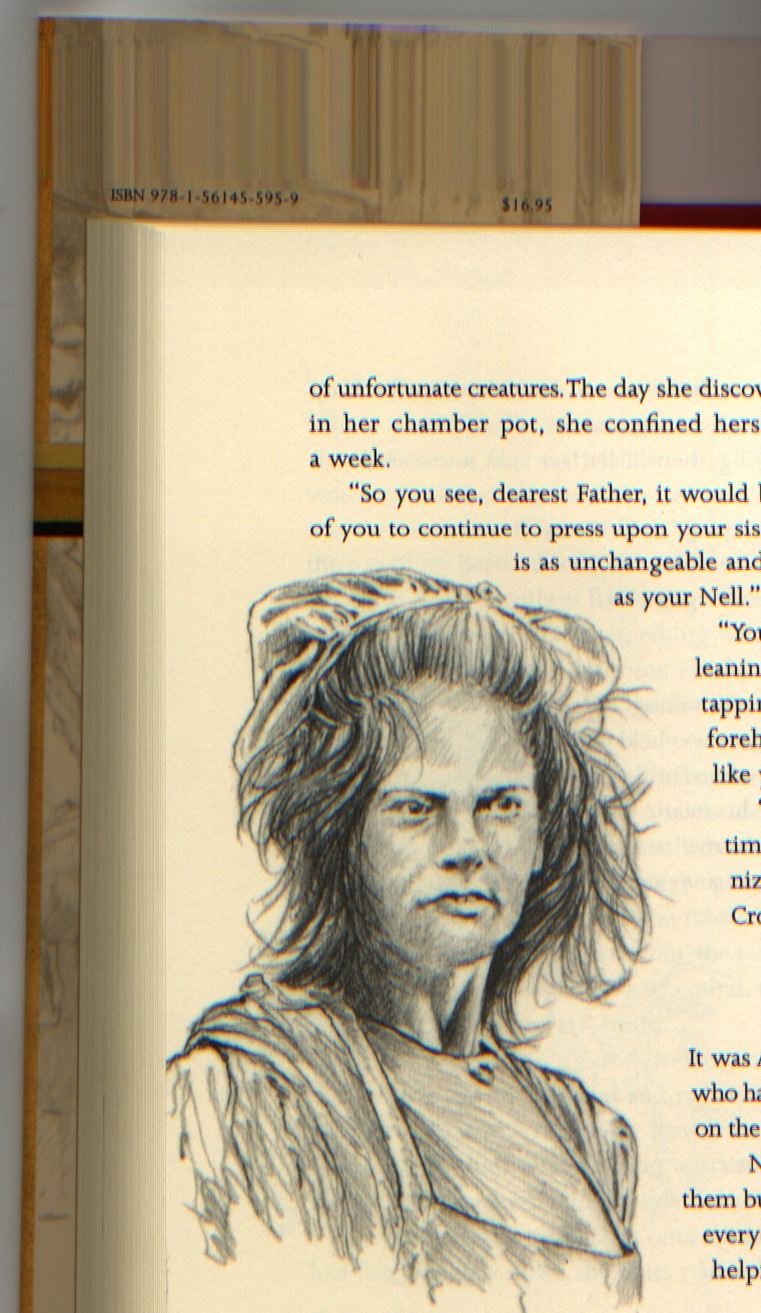
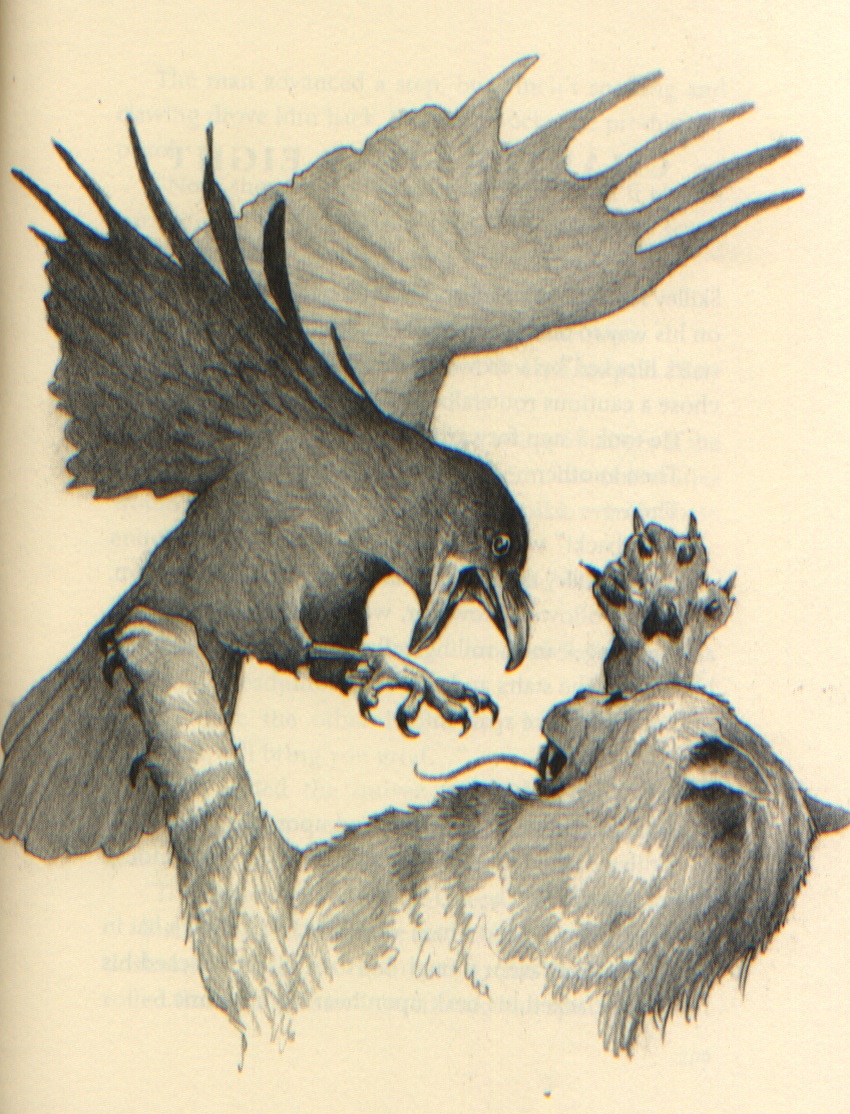
Barry is brilliant. Period. I first discovered him twenty years ago and have been his shameless acolyte to this day. As you can imagine, I was over the moon when he agreed to illustrate the book. Randall and I love every character that Barry’s keen mind and graphite pencil have rendered –– although I will admit the battle scenes are among my favorites. Huzzah, Mr. B!

Good luck with this book, Carmen. I’m so proud of you. It’s already received starred reviews from School Library Journal, Publishers Weekly, and Kirkus — you must be thrilled. Look, I don’t read enough contemporary children’s literature to make an informed opinion on what should or shouldn’t win a Newbery Medal. However, I did accurately predict both The Graveyard Book (though I didn’t think it deserved the actual Medal) and When You Reach Me. Like most folks, I didn’t know about last year’s winner, Moon Over Manifest. (And by the way, that was very nice — to be surprised at a time when the so-called “kidlitosphere” has made it almost too easy to quickly and decisively form the illusion of consensus, even if, in reality, it represents only .001 percent of readers; to me, the Moon Over Manifest selection was as if the traditional establishment reasserted itself and said, “Not so fast, bloggers! We decide.”)
Anyway, about the Newbery . . . um, Carmen, are you all right? You look pale. Why have you got your eyes and ears plugged? Don’t you want to talk about the Newbery?
Lalalalalalalalalalalalalalala.
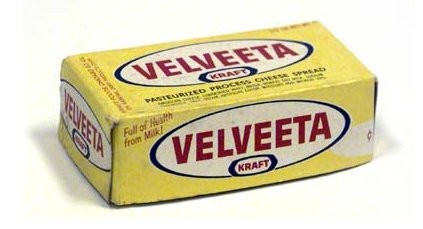
Okay, well, I can see that we’re out of time. I’ve just received word that there’s no more space on the internet. Please accept this hefty log of Kraft Velveeta Cheese as a token of our appreciation. And good luck with the book!